

It begins not in a laboratory, but in the dappled shade of a tropical garden.
Long before “superfoods” were packaged in plastic and sold with premium price tags, our ancestors were already practitioners of a sophisticated, living science. They didn’t need a spreadsheet to tell them about antioxidants or anti-inflammatories; they simply looked to the earth. They knew that a bruised leaf of Ulam Raja could brighten the spirit, or that a knob of turmeric crushed into a golden paste was more than just a dye—it was a shield for the body.
In Southeast Asia, our kitchen cabinets have always been our first pharmacies. Yet, as the world looks toward global trends and imported goods, we often overlook the quiet genius growing right outside our windows.
The Science of the Soil
We often hear about the benefits of Kale or Acai, but have we spoken enough about the humble Pegaga (Pennywort)? Long celebrated by village elders for longevity and skin healing, modern science is only now catching up, confirming its role in collagen synthesis and cognitive health.
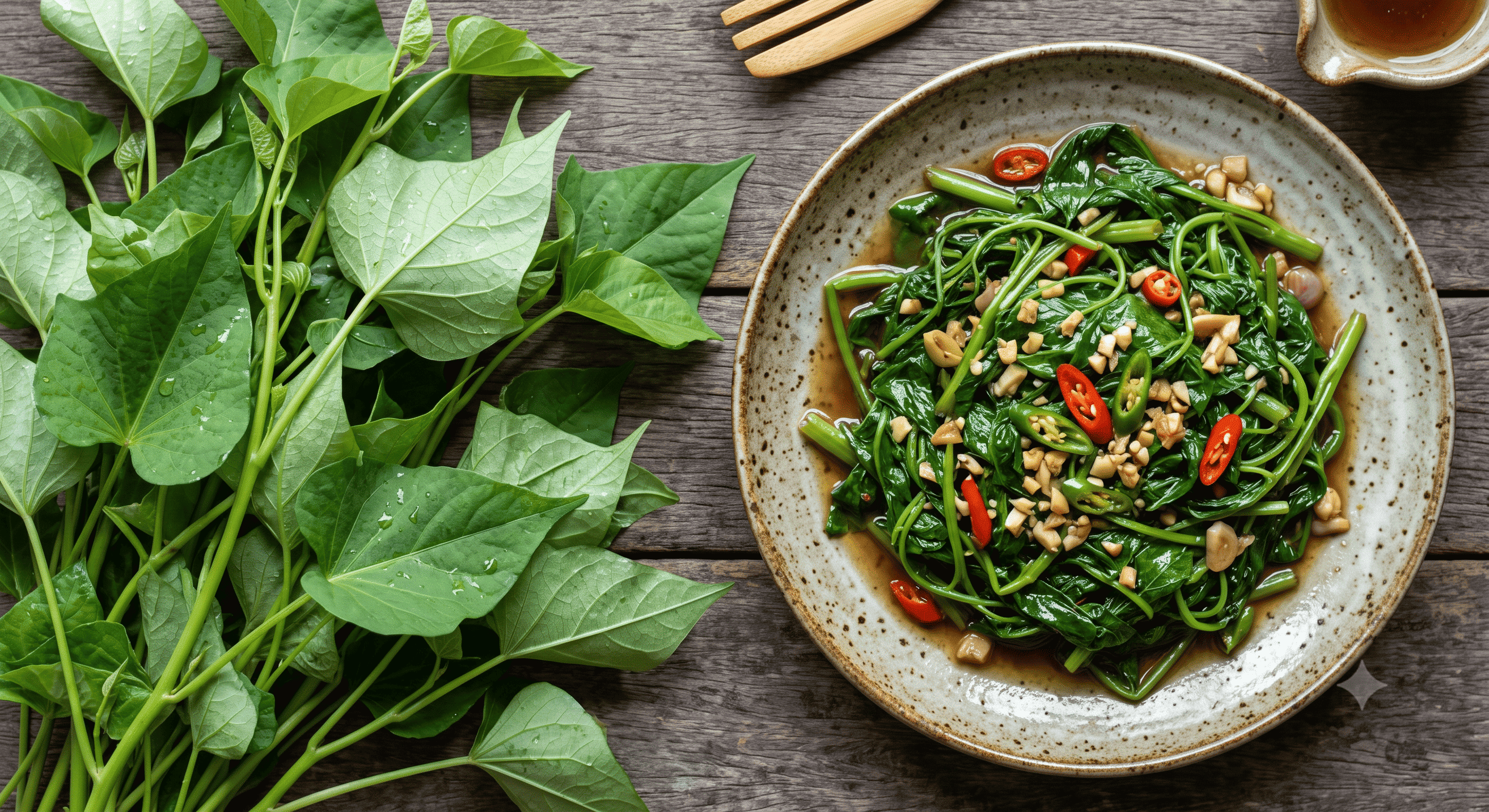
Then there is Ulam—the quintessential Southeast Asian salad. It is a plate of biodiversity that would make any modern nutritionist nod in approval. These aren’t just “sides” to a meal; they are bitter, astringent, and peppery powerhouses that aid digestion and balance blood sugar. Our ancestors understood that health wasn’t about restriction, but about diversity—the more colors and textures on the plate, the stronger the body.
A Plot Twist in Nutrition
Somewhere along the path to modernization, we were told that our traditional diets were “unhealthy” or “too rustic.” We began to trade our heritage for processed alternatives, thinking we were moving toward progress.
But the story is changing.
In laboratories across the world, researchers are finding that the fermented Tempeh of our region is a probiotic masterpiece for the gut. They are discovering that the bentong ginger and galangal we use to flavor our stews contain compounds that rival modern medicine in soothing inflammation.
What was once dismissed as “folk wisdom” is being revealed as Ancient Intelligence. Our ancestors weren’t just eating to survive; they were eating to thrive, using a deep, intuitive knowledge of the land to nourish the microbiome long before we even had a word for it.
More Than Just Ingredients
But the wisdom of Southeast Asia isn’t just about what we eat—it’s about how we eat.
It’s the wisdom of the “Eating Together” understanding that community and connection are just as vital to our health as vitamins. It’s the patience required to slow-cook a broth, allowing the nutrients to seep deep into the water. It is the respect for the seasons, eating what the land provides when it is most potent.
At KHASIAT, we believe that the future of nutrition doesn’t require us to look far away. It requires us to look back, and to look deeper.
Reclaiming the Story
We are at a crossroads where ancient traditions meet modern clinical evidence. Our mission is to bridge that gap—to let the world know that the “Khasiat” we seek is already woven into our culture.
The next time you see a sprig of lemongrass or smell the earthy aroma of turmeric, remember: you are looking at a legacy. You are holding a piece of a story that has kept generations strong, resilient, and vibrant.
It’s time we stopped underestimating our own soil. It’s time to realize that the most advanced nutrition isn’t always found in a bottle—it’s found in our heritage, waiting to be rediscovered.
This is the wisdom of our land. This is the future of health. This is Khasiat.
By Khasiat