

For the longest time, I thought I was doing everything right. I ate my greens, stayed active, and living in a place with plenty of sun, I figured my Vitamin D levels were the last thing I needed to worry about. But after feeling a lingering fatigue and poor concentration that coffee couldn’t fix, strange achy bone, a simple blood test revealed a surprise: I was part of the 50% of the global population dealing with Vitamin D insufficiency.
Like many people, I assumed that just being “outside” was enough. But our bodies are unique in how they process those ultraviolet rays. I learned that, having darker skin tone, the melanin that protects me from getting sunburn easily, also acts as a natural barrier, slowing down Vitamin D production. As I get older, I will be 50 coming November, my skin simply doesn’t synthesize the “sunshine vitamin” as efficiently as it did when I was in my 20s.
Then there’s the geographic irony. You’d think a tropical paradise like Malaysia would be the last place to find a deficiency. Yet, studies show that approximately 64% of the general population has inadequate levels. Whether it’s staying indoors to avoid the heat or using necessary sun protection to lower the risk of skin cancer, we often miss out on the very rays we need.
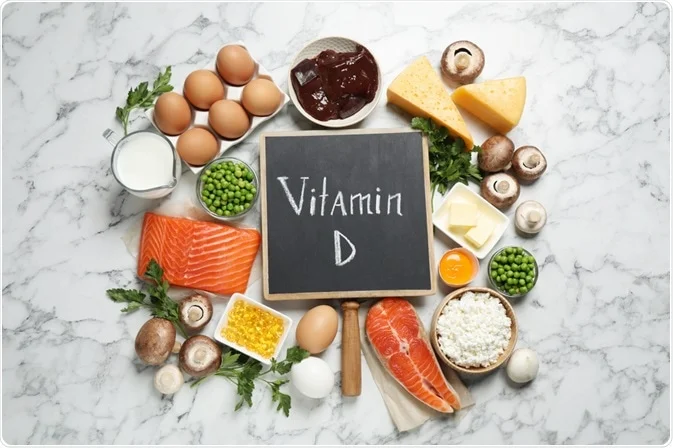
Once I realized my levels were low, I stopped relying on the sun alone. I started looking at my plate differently—incorporating more fatty fish and egg yolks, and making sure I add fortified milk and cereals to my diet. To bridge the gap, I turned to supplements. There are two main options on the shelf: Vitamin D2 and Vitamin D3. Vitamin D2 is typically sourced from plants, making it a wonderful choice for those following a vegan or vegetarian lifestyle. Vitamin D3, on the other hand, comes from animal sources and is actually the exact same form our skin produces naturally when we’re out in the sunshine.
While both versions do a great job of raising the Vitamin D levels in our blood, most experts agree that Vitamin D3 is a bit more effective at giving those levels a steady, long-lasting boost.
If you’re wondering where you stand, don’t guess—test. The “gold standard” is a 25-hydroxyvitamin D blood test. For most of us, hitting that 600IU to 800IU daily target is the goal, but a doctor can help you find a strategy tailored specifically to you.
Taking care of your Vitamin D isn’t just about bones; it’s about supporting your immune system and helping your body fight off inflammation. It’s a small change, but for me, it was the key to me feeling energetic again.
By Dr. Ledia Engkasan from Khasiat
Dr. Ledia Engkasan earned her medical degree from Universiti Malaya. Her diverse medical journey spans community health clinics, wellness centers, and specialized medical research. Dedicated to bridging the gap between clinical science and daily life, Ledia translates complex medical journals into actionable everyday wellness. Her work focuses on empowering women’s health, promoting healthy aging, and exploring the preventive benefits of regional nutrition. Believing that health begins at home, she is an avid home cook, runner, and calisthenics enthusiast.