

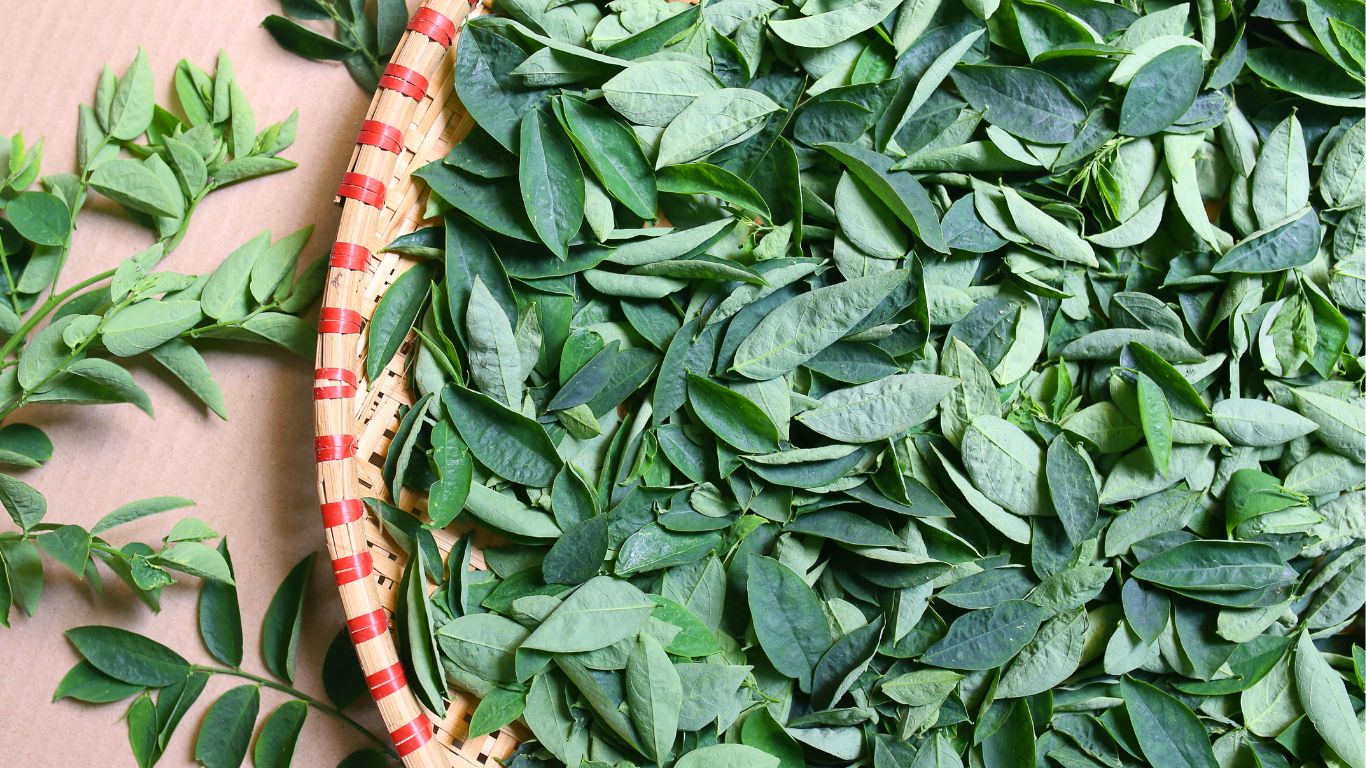

I was genuinely surprised when a friend mentioned that many in the Peninsula of Malaysia aren’t familiar with Manicai. In Sarawak, Manicai, commonly known as cangkuk manis, is a staple in our little garden.
I have memories of it growing in our garden when we lived in rural Sarawak, and today it thrives in our small city backyard. Historically, the Iban community would plant these hardy greens along the edges of their paddy fields or pepper farms, valuing them as a reliable plant that required almost no care to flourish. It is an easy-to-grow vegetable; once you set it in the ground, it grows without fuss. Recently, the humble Manicai has been gaining popularity in the city. I noticed hawker stalls adding Manicai beehoon and restaurants adding Manicai omelette to their menus.
Manicai truly earned its “superfood” title. It stands out as one of the most nutrient-dense greens, even when compared to popular health foods like spinach or kale. Here is a quick look at why it’s such a powerful addition to a healthy, natural diet:
-
- It is high in protein. Just 100 grams of Manicai packs 6.9g of protein, the same amount of protein as one small egg, making it a good plant-based protein.
-
- Vitamin C content of 230-260mg/100 g, which is roughly equivalent to the Vitamin C in three large oranges
-
- High in minerals such as iron, calcium, magnesium, and potassium compared to bok choy or kailan.
-
- It is an antioxidant powerhouse. It is rich in flavonoids and polyphenols that help our bodies fight infections and act as anti-inflammatory compounds.
Due to this nutritional profile, Manicai has long been used as a natural remedy to treat illnesses such as the common cold, to promote wound healing, and help manage blood pressure. In many Southeast Asian cultures, it is also a traditional aid for increasing breast milk flow in lactating mothers.
While Manicai is a nutritional giant, it is never to be eaten raw. The leaves contain a compound called papaverine that can cause untreatable lung failure. The good news is that high heat during cooking inactivates this compound.
My favorite way to enjoy Manicai is a quick, five-minute stir-fry with eggs. After washing the leaves, give them a firm massage to soften the fibers—an essential step for the best texture. I begin by sautéing minced garlic and a spoonful of dried shrimp until fragrant, then toss in the Manicai. Once they’ve wilted down, I fold in two beaten eggs. It’s a humble dish, where just a pinch of salt brings out a surprising, nutty sweetness that feels like home.
Manicai serves as a beautiful reminder that we don’t always need expensive, imported ‘superfoods’ to nourish our bodies; often, the best nutrition is the one growing in our backyard. Whether you have a small corner in your backyard, or simply a pot on your balcony, I encourage you to plant a few cuttings. It’s a low-effort, high-reward plant that turns a simple hobby into a sustainable way to feed your family fresh, whole foods.
By Dr. Ledia Engkasan from Khasiat
Dr. Ledia Engkasan earned her medical degree from Universiti Malaya. Her diverse medical journey spans community health clinics, wellness centers, and specialized medical research. Dedicated to bridging the gap between clinical science and daily life, Ledia translates complex medical journals into actionable everyday wellness. Her work focuses on empowering women’s health, promoting healthy aging, and exploring the preventive benefits of regional nutrition. Believing that health begins at home, she is an avid home cook, runner, and calisthenics enthusiast.
Very delicious and complete nutritious food…….