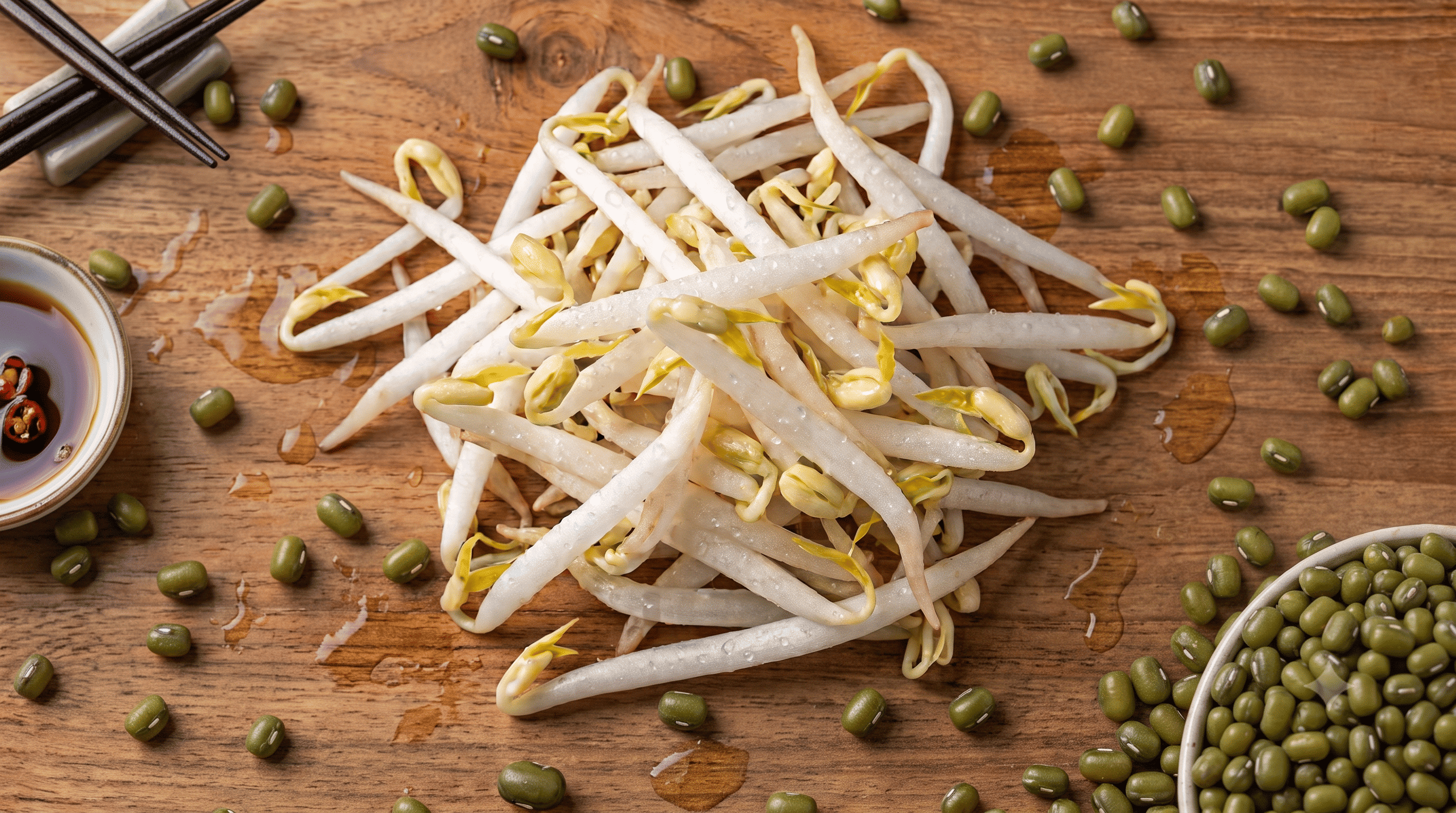


I spent part of my childhood in Kapit, a remote town situated upstream along the Rajang River. Before the highway was constructed, the town was accessible only by express boat. Back then, there were no fast food restaurants or dessert shops to patronize. My mother always kept a supply of dried mung beans in our pantry to prepare her signature mung bean soup. It was a simple, comforting dessert—a blend of mung beans and sago seeds sweetened with brown sugar. Whether served at room temperature or chilled to combat the stifling tropical heat, it was a staple of our afternoons. We would sit together in the cooling shade of a massive rambutan tree, enjoying our bowls and the quiet, rhythmic pace of rural life.
At the time, I gave little thought to the humble ingredients in my bowl. It wasn’t until I delved deeper into the world of nutrition that I began to appreciate the mung bean for its true value. This small, green seed is a prominent member of the legume family.
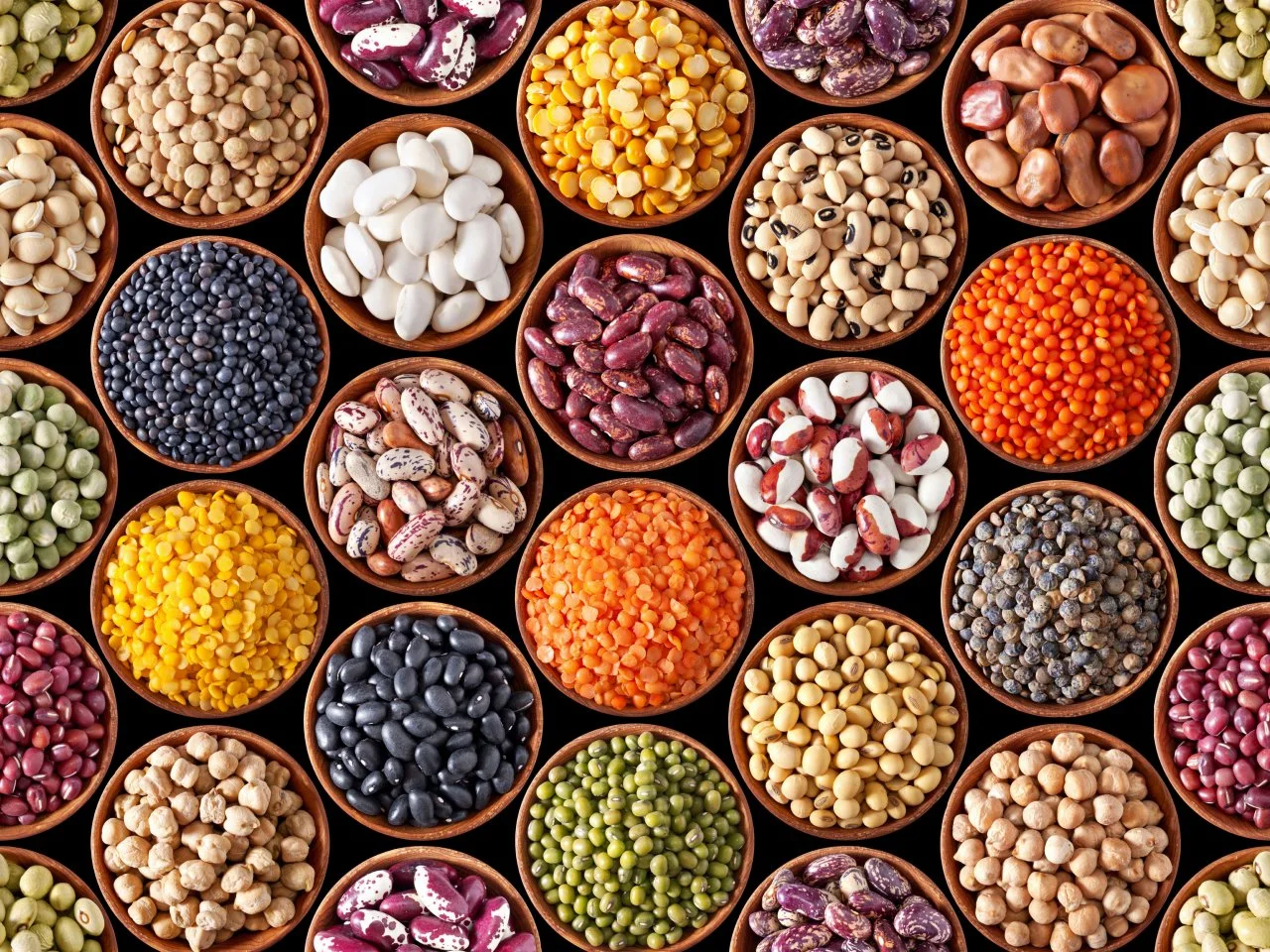
The legume family (Fabaceae or Leguminosae) is vast, boasting about 20,000 species. While we often use the terms legumes and pulses interchangeably, there is a helpful distinction to make:
- Legumes: Refers to the entire plant (leaves, stems, and pods), such as green beans, angled bean.
- Pulses: Refers specifically to the edible seeds harvested from the dry pod, such as lentils, chickpeas, soybeans, and the mung beans from my childhood.
Rich in protein and fiber while naturally low in saturated fat, these seeds serve as an excellent meat substitute and a vital cornerstone of any plant-based diet. Soybeans, for instance, are a “complete” protein, providing all the essential amino acids the body requires. Their versatility is equally impressive, appearing in everything from soy milk and edamame to traditional staples like tofu and tempeh.
Beyond their protein content, pulses are an exceptional source of complex carbohydrates, packed with both soluble and insoluble fiber. These components work synergistically to promote healthy digestion, support a thriving gut microbiome, and provide lasting satiety. This unique combination of carbohydrates and protein results in a low glycemic index, ensuring a slow, steady release of energy rather than a sharp blood sugar spike.
The benefits extend to the micronutrient level, as pulses are a dense source of essential vitamins and minerals that play a critical role in cardiovascular health. Their high concentrations of potassium and magnesium help balance sodium levels and relax blood vessel walls. This makes them an effective dietary tool for regulating blood pressure and supporting long-term heart function.
Pulses also contain “anti-nutrients” like lectins, phytic acid, and saponins. These compounds can interfere with the absorption of essential minerals such as zinc, iron, and calcium, and are often the culprits behind digestive discomforts like gas and bloating. Fortunately, these effects are easily neutralized. Traditional preparation methods—specifically soaking and thorough cooking—effectively deactivate these compounds, making the food much gentler on the digestive system.
Regardless of your dietary preferences, incorporating pulses into your routine is a simple yet impactful choice. They are remarkably versatile, budget-friendly, and nutritionally dense, serving as an excellent alternative to meat. You can easily integrate them into your day by enjoying steamed chickpeas as a healthy snack, adding tempeh to your dinner, or tossing beans into your favorite salad or soup. Even committing to just one meatless meal a week can make a significant difference.
Because of my passion for cooking, I am constantly expanding my repertoire of pulse-based recipes. This might mean a hearty Middle Eastern lentil soup for dinner one evening, followed by a bright three-bean salad for lunch some other day. Much like my mother, I always keep a jar of mung beans in my pantry as a kitchen staple. Whenever I prepare a pot of mung bean soup, it does more than nourish me; it brings back fond memories of the “good old days” and the beautiful simplicity of rural life.
By Dr. Ledia Engkasan from Khasiat
Dr. Ledia Engkasan earned her medical degree from Universiti Malaya. Her diverse medical journey spans community health clinics, wellness centers, and specialized medical research. Dedicated to bridging the gap between clinical science and daily life, Ledia translates complex medical journals into actionable everyday wellness. Her work focuses on empowering women’s health, promoting healthy aging, and exploring the preventive benefits of regional nutrition. Believing that health begins at home, she is an avid home cook, runner, and calisthenics enthusiast.